
Manga are Japanese comics read at your own pace with black-and-white art. Anime are animated shows with color, motion, sound, and voice acting.
The main difference is format and presentation, with manga showing original depth and anime enhancing it visually.
Check out the full article on MangaBat to explore in detail what is the difference between manga and anime and discover which format suits your reading or watching style best.
Manga: The original Japanese comic art
Manga refers to Japanese comic books or graphic novels, typically read from right to left. Created by a single artist or a small team, manga combines detailed artwork with dialogue, narration, and panel layouts to tell a story.
Key features of manga
- Black and White Artwork: Most manga are published in black and white, though some special editions may include color pages.
- Serialized Storytelling: Many manga series are published chapter by chapter in magazines before being compiled into volumes.
- Creative Control: Manga authors, known as mangaka, often have significant control over the story, characters, and pacing.
- Reader Imagination: Because it’s static art, manga relies on the reader’s imagination for action sequences, sound effects, and movement.
- Popular manga series include One Piece, Naruto, and Attack on Titan, each with complex storylines and extensive world-building.
Anime: Animated adaptations
Anime is the Japanese term for animated television shows, movies, or web series. Unlike manga, anime is fully animated, often with voice acting, music, sound effects, and color. Many anime are adaptations of manga, though some are original works.
Key features of anime
- Full Animation: Characters, environments, and action sequences are brought to life with motion.
- Voice Acting and Sound: Voice actors, or seiyuu, give personality to characters, while soundtracks enhance emotions and tension.
- Colorful Visuals: Anime is presented in full color, with detailed backgrounds and dynamic camera angles.
- Faster Storytelling: Episodes must fit a time slot, so adaptations may condense or alter manga storylines.
- Examples of popular anime include Demon Slayer, My Hero Academia, and Dragon Ball Z, which often expand on the manga experience with animation, music, and voice acting.

What is the difference between manga and anime?
Now that we understand what each medium entails, let’s break down the main differences.
1. Format and medium
Manga is a print or digital comic, while anime is an animated production.
Manga is read at your own pace, while anime moves at a predetermined speed.
2. Art and animation
Manga focuses on detailed illustrations in static frames.
Anime brings the art to life with motion, color, and visual effects.
3. Storytelling and pacing
Manga often includes more depth, side stories, and character development.
Anime may adjust pacing, cut scenes, or add filler to match broadcasting schedules.
4. Creative freedom
Mangaka usually have full creative control, which can lead to more consistent storytelling.
Anime adaptations involve directors, animators, and studios, sometimes leading to deviations from the original manga.
5. Accessibility
Manga can be read anywhere with a book or device.
Anime requires a screen and sometimes a subscription to a streaming service.
To fully appreciate Japanese pop culture, it helps to understand what is the difference between manga and anime.
Knowing these distinctions lets fans enjoy the original storytelling in manga while also experiencing the dynamic visuals, sound, and motion that anime adds to the same story.
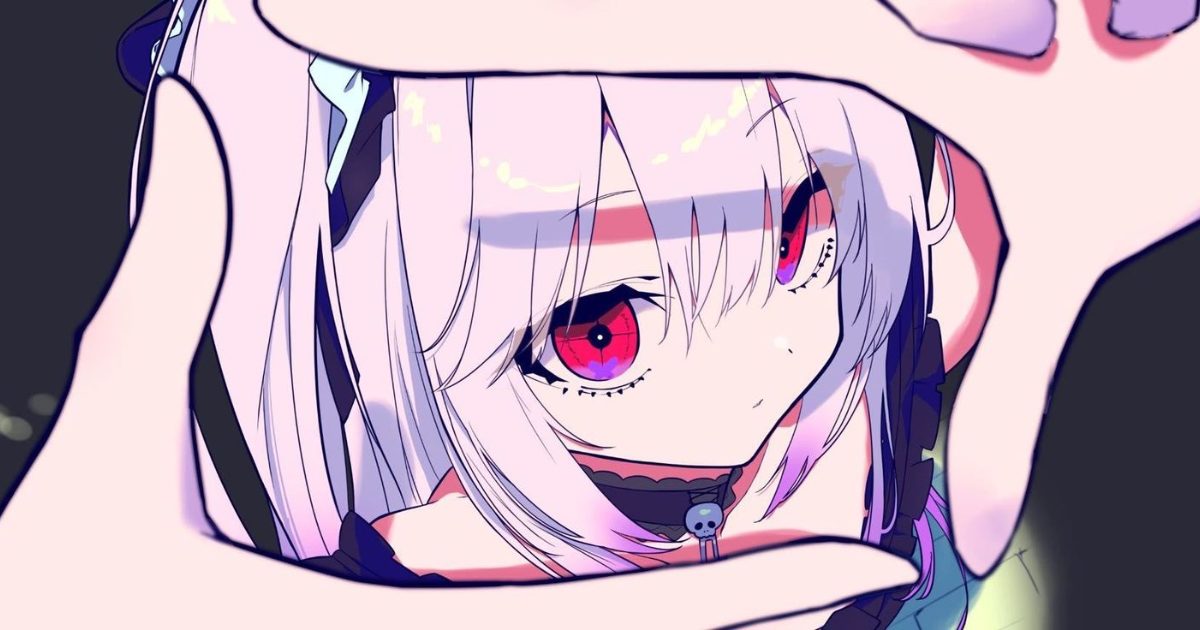
Why fans enjoy anime and manga
Understanding what is the difference between manga and anime helps explain why fans enjoy both formats.
- Manga fans: Appreciate detailed artwork, original pacing, and the author’s full vision.
- Anime fans: Enjoy dynamic action, music, and character voices that enhance the story’s emotional impact.
Many fans read the manga first and then watch the anime to see their favorite scenes animated. Others enjoy watching anime and then turn to manga for extra details or story content that the anime may have skipped.
Common misconceptions
When exploring what is the difference between manga and anime, many casual fans misunderstand the two mediums:
- Manga is “just a comic.” In reality, manga can be as complex as novels, with intricate plots and character development.
- Anime is always faithful to manga. Many anime include filler arcs, changed endings, or omitted scenes to fit production schedules.
- Manga is superior to anime or vice versa. Each medium offers a unique experience, and neither is inherently better.
Examples of differences in popular series
To better understand what is the difference between manga and anime, it helps to look at some popular series.
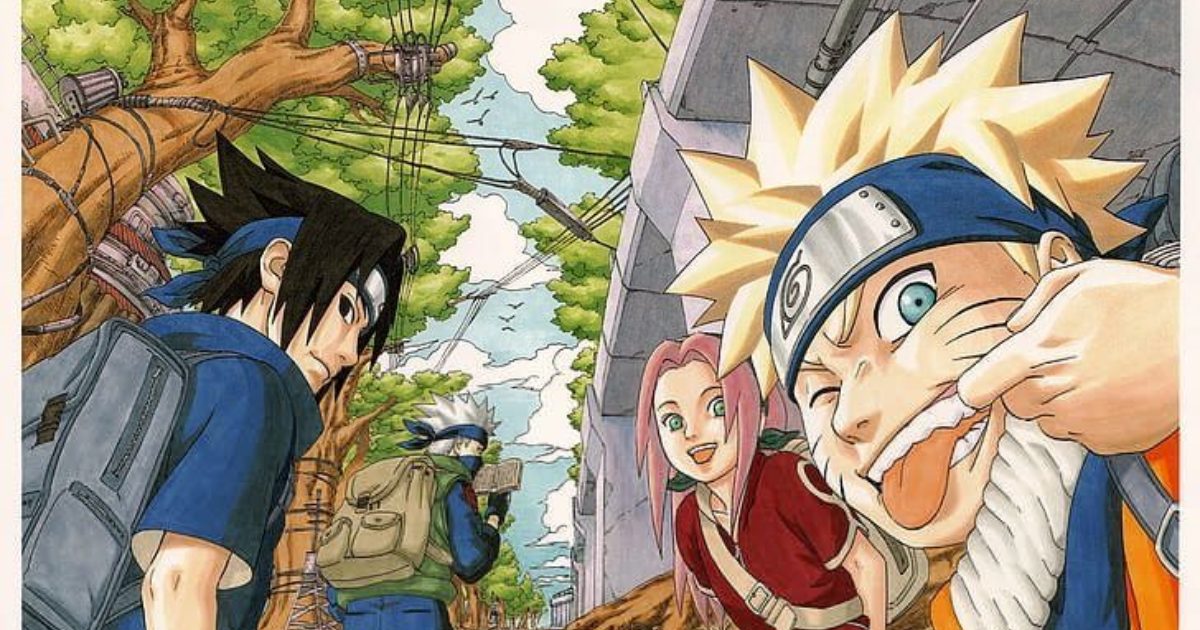
Examining how stories like Naruto, Attack on Titan, and One Piece are adapted shows how manga and anime can offer distinct experiences, from pacing and artwork to added scenes and animation effects.
These examples highlight the unique strengths of each medium and why fans often enjoy both.
- Naruto: The manga offers extended character backstories and fights, while the anime adds filler arcs and animation sequences.
- Attack on Titan: The manga concludes faster with more concise storytelling, while the anime adaptation adds dramatic visuals, voice acting, and music to heighten tension.
- One Piece: The anime sometimes slows pacing to allow the manga to stay ahead, which can frustrate viewers but gives fans more animation content.
How to choose between manga and anime
If you’re wondering which format to start with, consider these tips:
- Time commitment: Manga can be read quickly at your own pace, while anime requires consistent watching of episodes.
- Story preferences: Manga usually provides the pure story, while anime enhances it with audiovisual elements.
- Accessibility: Digital manga is available worldwide; some anime might be region-locked on streaming platforms.
For new fans, it’s often best to start with the format that is most accessible and then explore the other medium for the full experience.
The future of manga and anime
Both manga and anime continue to grow in global popularity. With streaming platforms like Crunchyroll, Netflix, and Shonen Jump+ offering easy access, fans can now enjoy simultaneous releases.
Studios also increasingly collaborate with mangaka to maintain story consistency and high-quality animation, making the difference between manga and anime a matter of preference rather than availability.
FAQs
If you’re still curious about the details, our FAQ section answers the most common questions about What is the difference between manga and anime.
Here, you’ll find clear explanations to help you understand how each medium tells its story and why fans enjoy both.
How does the artwork differ between manga and anime?
The key difference is that manga uses static black-and-white panels with detailed illustrations, while anime adds full color, motion, and animation effects.
Which is better to start with, manga or anime?
Understanding what is the difference between manga and anime can help decide: manga is faster to read and closer to the original plot, while anime adds sound, color, and dynamic action.
Why do some anime change content from the manga?
Anime adaptations may alter pacing, remove or add scenes, or include filler to stay ahead of the manga, which highlights one aspect of the difference between manga and anime.
Can I fully enjoy a series without watching both manga and anime?
Yes, but knowing what is the difference between manga and anime allows fans to choose which format best fits their preference for story depth, visuals, or audio experience.
So, what is the difference between manga and anime? Simply put, manga is the original static comic medium that emphasizes detailed artwork and storytelling, while anime is the animated version that adds motion, color, voice acting, and music.
Both offer unique experiences, and fans often enjoy exploring both to fully appreciate Japanese pop culture. Whether you read the manga or watch the anime first, understanding the differences enhances your appreciation of the story, characters, and world.
For more insights into your favorite series and comparisons between manga and anime, explore related articles at MangaBat, including guides on how many chapters are in the average manga volume to help you plan your reading.
