
Miyazaki made other short manga and illustrated comic works, but Nausicaä is his only long-form serialized manga. Nausicaä of the Valley of the Wind is Miyazaki’s only full-length serialized manga, spanning seven volumes and going far beyond the film’s story.
Outside of that, he created shorter illustrated narratives and comics like The Journey of Shuna and aviation-themed works that later influenced his movies.
Read the full MangaBat article below to explore Has Miyazaki done any manga other than Nausicaa and discover his lesser-known illustrated works beyond Nausicaä.
Has Miyazaki done any manga other than Nausicaa?
Yes, Hayao Miyazaki has created manga and manga-style works other than Nausicaä of the Valley of the Wind. However, Nausicaä remains his only long-form, serialized manga comparable to mainstream manga series.
Other notable works include:
- Shuna no Tabi (The Journey of Shuna)
- Sabaku no Tami (The Desert Tribe)
- Zassō Nōto (Grass Notes)
- Hikōtei Jidai (The Age of the Flying Boat), which later inspired Porco Rosso
Beyond Nausicaä, Miyazaki produced several short manga, illustrated narratives, and experimental comic works, many of which played a crucial role in shaping the themes and worlds later seen in his films.
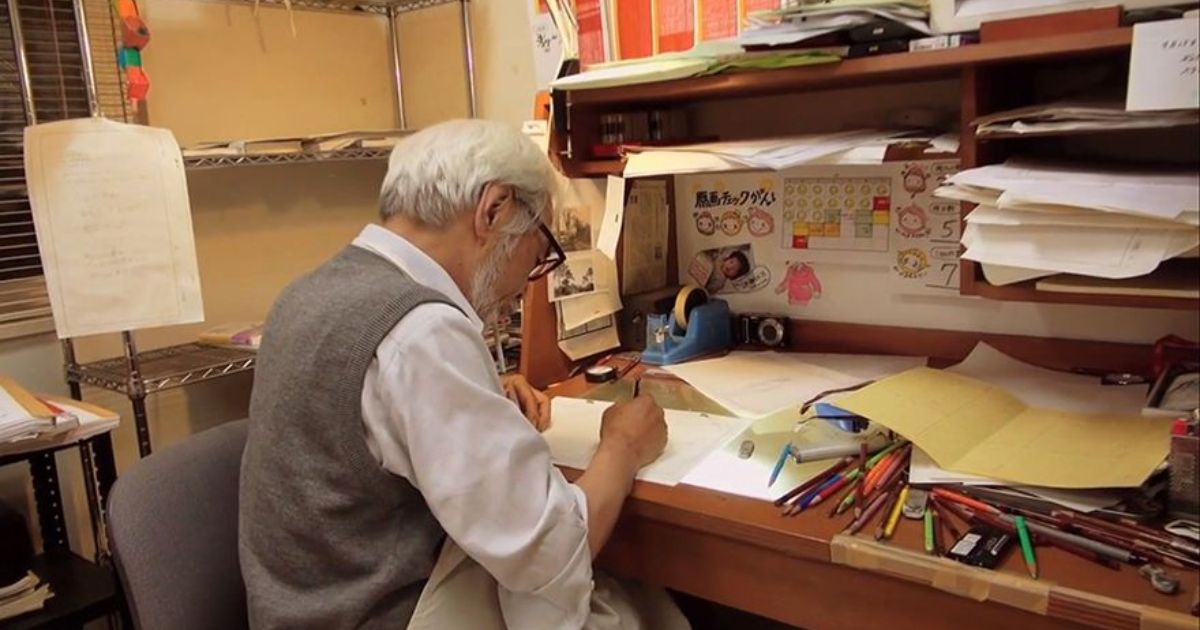
Miyazaki’s manga and manga-style works Beyond Nausicaä
This naturally leads to the central question many fans still ask: Has Miyazaki done any manga other than Nausicaa?
Exploring his lesser-known manga and manga-style works helps clarify the full scope of his contributions beyond his most iconic series.
Nausicaä of the Valley of the Wind as Miyazaki’s core manga work
Serialized from 1982 to 1994, Nausicaä of the Valley of the Wind stands as Hayao Miyazaki’s most ambitious manga project. Spanning seven volumes, it explores war, ecology, and moral complexity far beyond its animated adaptation.
Because of its length, narrative structure, and philosophical depth, Nausicaä is widely regarded as Miyazaki’s only complete traditional manga series in the conventional sense.
Shuna no Tabi and Miyazaki’s lllustrated storytelling
Shuna no Tabi (1983), also known as The Journey of Shuna, is one of Miyazaki’s most discussed non Nаusicaä works.
It often appears in discussions about Has Miyazaki done any manga other than Nausicaa. While many people call it a manga, it is closer to a fully illustrated picture narrative.
The story is presented through watercolor illustrations accompanied by text rather than standard manga panels. Despite this format, it introduced themes of environmental decline, sacrifice, and moral responsibility that later became central to Miyazaki’s films.
Sabaku no Tami and early experimental manga
Sabaku no Tami (The Desert Tribe), created between 1969 and 1970 under the pen name Akitsu Saburo, represents Miyazaki’s early experimentation with manga.
Published in magazines, it already showcased his fascination with harsh landscapes, survival, and human conflict.
Although less known internationally, this work reinforces that has Miyazaki done any manga other than Nausicaa is a question with clear historical evidence.
Zassō Nōto and aviation-themed comics
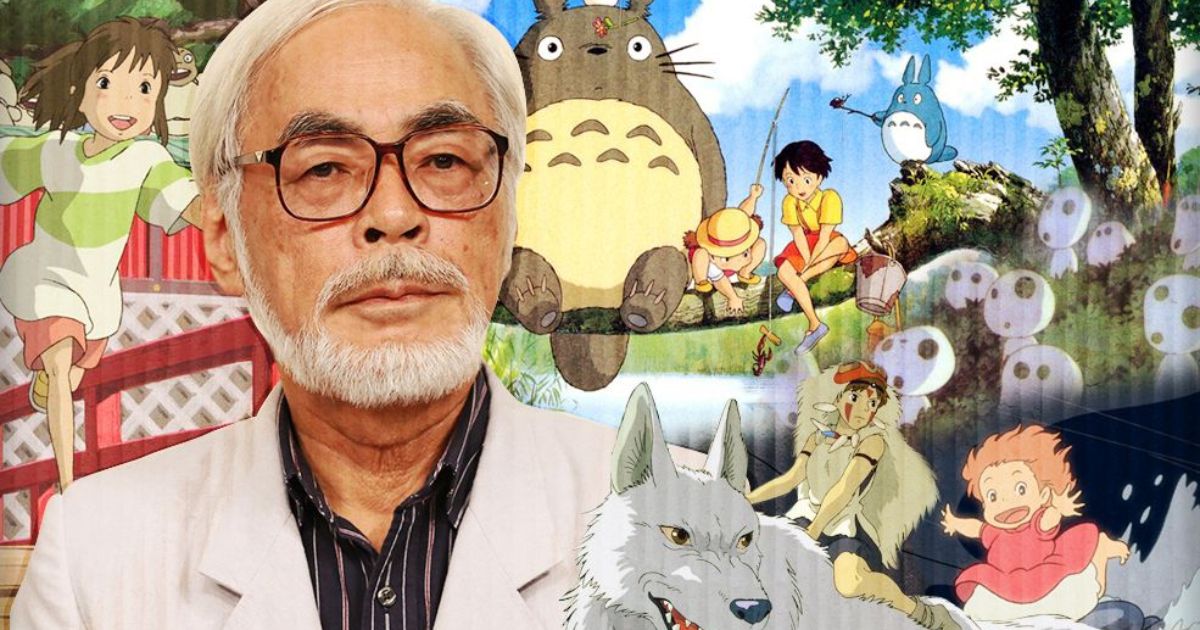
Zassō Nōto (Grass Notes) is a collection of short illustrated essays and comics produced during the 1980s. These pieces highlight Miyazaki’s deep interest in aircraft, machinery, and military history.
Rather than functioning as narrative manga, these works serve as visual notebooks, blending technical sketches with short stories and personal reflections.
Hikōtei Jidai and its connection to Porco Rosso
Hikōtei Jidai (The Age of the Flying Boat) is another significant manga-style work by Miyazaki. This story later became the conceptual foundation for the animated film Porco Rosso (1992).
The manga focuses heavily on aviation culture and post-war identity, themes Miyazaki would later expand more fully through animation.
Taken together, these projects show that Miyazaki’s manga and manga-style works Beyond Nausicaä form a meaningful body of work rather than isolated experiments.
While Nausicaä remains his only full-length serialized manga, his illustrated stories, short comics, and conceptual pieces clearly answer the question Has Miyazaki done any manga other than Nausicaa by revealing a broader creative range that bridges manga, illustration, and animation.
Why Miyazaki did not continue writing long manga series
Despite his success with Nausicaä, Miyazaki gradually moved away from manga creation. He has often stated that animation allows him to express silence, motion, and emotional pacing more effectively.
As Studio Ghibli grew, his creative energy shifted almost entirely toward film, making manga a secondary outlet rather than a primary medium.
FAQs about Miyazaki’s manga works
To address the most common reader questions clearly and accurately, the following section answers key points fans often wonder about in FAQs about Miyazaki’s manga works, covering his creations beyond Nausicaä of the Valley of the Wind.
Has Miyazaki done any manga other than Nausicaa?
Yes. He created several manga and illustrated works, though Nausicaä is his only long serialized manga.
Is Shuna no Tabi considered a manga?
It is better described as an illustrated story rather than a traditional manga.
Did Miyazaki publish manga under a pen name?
Yes. Sabaku no Tami was published under the name Akitsu Saburo.
Are Miyazaki’s manga connected to his films?
Many themes and ideas from his manga later appeared in his animated works.
Is Hikōtei Jidai related to Porco Rosso?
Yes. It served as the narrative foundation for the film.
Should fans of Studio Ghibli read Miyazaki’s manga?
Absolutely. They provide deeper insight into his creative process and recurring themes.
Ultimately, while Nausicaä of the Valley of the Wind remains Hayao Miyazaki’s only full-length traditional manga, his other manga and manga-style works clearly show that has Miyazaki done any manga other than Nausicaa is a question with a meaningful and well-documented answer.
These projects reveal the ideas, themes, and visual obsessions that shaped his later films and solidified his legacy beyond animation.
To explore more in-depth analysis, canon explanations, and manga history, read more related articles on MangaBat, where you can dive deeper into Miyazaki’s works and other iconic manga creators.
