
Dots next to Japanese characters in manga show pauses or unspoken emotion like hesitation, silence, or shock, not pronunciation. Manga uses dots to control the reading rhythm, slowing scenes to show tension, awkwardness, or feelings a character cannot say out loud.
They represent silence and unspoken emotion, not pronunciation or Japanese grammar.
Read the full MangaBat article below to understand What do dots next to Japanese characters mean in manga and how they shape the scene’s emotion.
What do dots next to Japanese characters mean in manga?
Dots next to Japanese characters in manga are used to express pauses, hesitation, silence, or unspoken emotions, not pronunciation.
They indicate how a line is delivered emotionally rather than how it should be read aloud. The dots signal that a character is thinking, holding back, shocked, or struggling to respond.
You will also notice dots used to create tension between characters, especially when a reply is delayed or a truth is left hanging.
This “blank space” is intentional, letting the reader feel the weight of what is unsaid before the next line or action breaks the silence.
When reading manga, many newcomers wonder what do dots next to Japanese characters mean in manga and whether they affect pronunciation.
In most cases, these dots are not about how the words should be read aloud. Instead, they function as an emotional cue, signaling silence, hesitation, or unspoken thoughts.
By placing dots next to the text, manga authors slow down the rhythm of the dialogue and invite readers to feel the weight of what is left unsaid, adding tension and emotional depth to the scene.
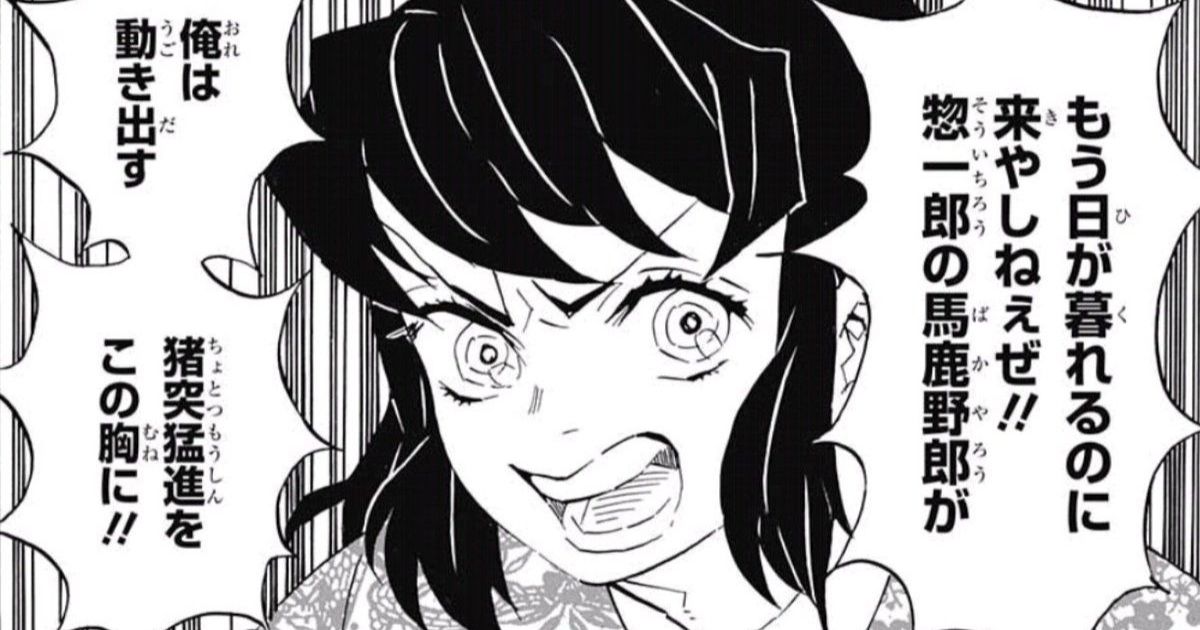
Why manga frequently uses dots in dialogue
Manga relies on visual rhythm, so creators use small symbols instead of long explanations to convey emotion and pacing. Dots are one of the simplest tools for showing what a character cannot or will not say.
They slow the scene down and create space for tension, awkwardness, or emotional weight to land.
You will see them a lot in serious talks, confessions, and moments where silence says more than dialogue, which is why readers ask What do dots next to Japanese characters mean in manga.
Emotional impact of dots in manga panels
Dots represent silence as part of the story. They invite readers to focus on facial expressions, body language, and atmosphere.
Rather than filling every moment with words, manga uses dots to let emotions breathe. This technique makes scenes feel more natural and emotionally realistic.
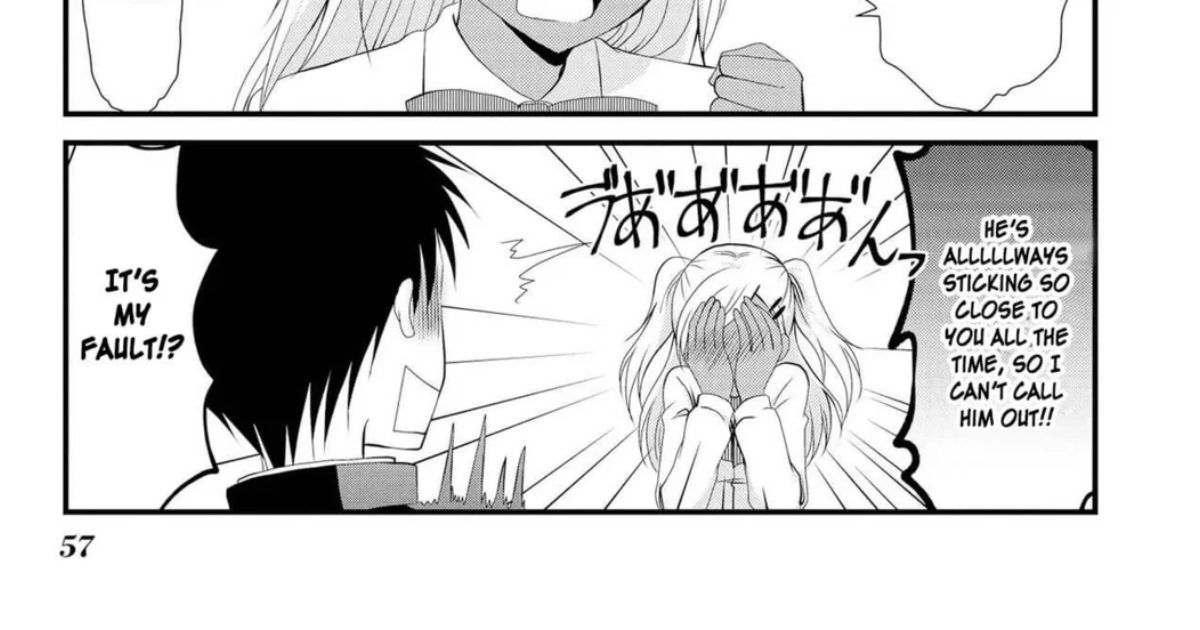
Are dots related to pronunciation or Japanese grammar?
No. These dots are not tied to pronunciation, grammar, or furigana. They do not tell you how to read a word, and they are not a rule of Japanese writing.
Furigana is the small kana printed above kanji to show the reading. In contrast, dots placed beside dialogue are a visual storytelling tool that signals pauses, hesitation, or unspoken emotion.
So when people ask What do dots next to Japanese characters mean in manga, the answer is simple: they shape the scene’s mood and delivery, not the language itself.
Why dots matter when reading manga
Dots are part of manga’s visual language, used to control pacing and emotion without adding extra dialogue. They often appear when a character hesitates, holds back, or needs a beat of silence, so the reader can absorb the tension and read the mood from the panel.
When you recognize what the dots are doing, it becomes easier to understand tone and intent. Without that context, some scenes can feel oddly empty, confusing, or like a line is “missing,” even though the silence is the point.
Once you get used to it, dots become a strong storytelling cue that reveals what characters feel even when they say nothing, which is exactly why readers ask What do dots next to Japanese characters mean in manga.
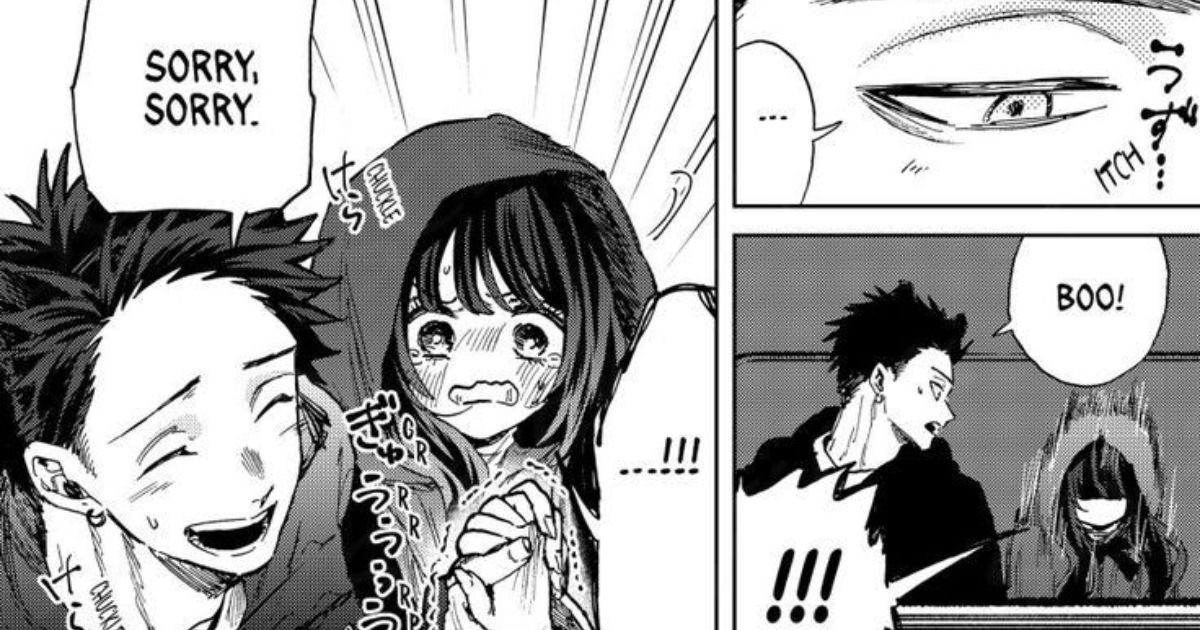
FAQs about dots next to Japanese characters in manga
Below are some quick FAQs about dots next to Japanese characters in manga, explaining what they mean, why artists use them so often, and how they change the tone of a scene.
Do dots mean a character is speechless?
Yes. Dots often indicate that a character is momentarily speechless or unsure how to respond.
Are dots the same as ellipses in English?
They are similar in function, but manga dots are often more visual and emotional than grammatical.
Do dots always mean silence?
Most of the time they represent silence or hesitation, but they can also imply emotional tension or suppressed thoughts.
Are dots used in all manga genres?
Yes. Dots appear across genres, including romance, action, drama, and psychological manga.
Are dots ever used for comedic effect?
Yes. In comedy scenes, dots can emphasize awkward pauses or exaggerated reactions.
Can dots change the meaning of a scene?
Absolutely. They influence pacing and emotional interpretation, often changing how a line is perceived.
So, what do dots next to Japanese characters mean in manga? They represent silence, hesitation, and emotional depth, allowing readers to feel moments that words alone cannot express.
Once you understand their purpose, these small dots become an essential part of reading and appreciating manga storytelling. For more clear manga explanations and reading guides, explore related articles on MangaBat, where every detail is broken down simply and accurately.
